

Classic 3-layer parquet
-
3-Layer Engineered Oak Parquet – Sulz Ultra Rustic
Regular price 179.00 GELRegular price189.00 GELSale price 179.00 GELSale -
3-Layer Engineered Parquet – Oak Fabia
Regular price 219.00 GELRegular price0.00 GELSale price 219.00 GEL -
3-Layer Engineered Oak Parquet – Mosel Select
Regular price 269.00 GELRegular price0.00 GELSale price 269.00 GEL -
3-Layer Engineered Oak Parquet – Uniform Accent
Regular price 249.00 GELRegular price0.00 GELSale price 249.00 GEL


Herringbone - Chevron
-
 In stock
3-Layer Engineered Oak Herringbone
Regular price 219.00 GELRegular price209.00 GELSale price 219.00 GEL -
In stock
3-Layer Engineered Oak Herringbone
Regular price 189.00 GELRegular price -
 On demand
French Pattern Chevron – 45°
Regular price 449.00 GELRegular price0.00 GELSale price 449.00 GELOn demand -
 On demand
Circular French Pattern (Chevron)
Regular price 649.00 GELRegular price0.00 GELSale price 649.00 GELOn demand -

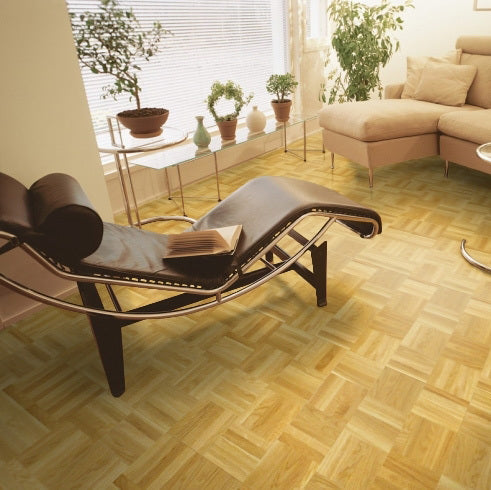 On demand
Oak Mosaic Parquet
Regular price 136.00 GELRegular price0.00 GELSale price 136.00 GELOn demand


Bespoke 3-ply engineered flooring
-
 On demand
Parquet Module – Axe
Regular price 649.00 GELRegular price0.00 GELSale price 649.00 GELOn demand -
 On demand
Parquet Module – Boomerang
Regular price 649.00 GELRegular price0.00 GELSale price 649.00 GELOn demand -
 On demand
Parquet Module – Star
Regular price 649.00 GELRegular price0.00 GELSale price 649.00 GELOn demand -
 On demand
Parquet Module – Leaves
Regular price 449.00 GELRegular price0.00 GELSale price 449.00 GELOn demand


Imperial 3-ply engineered flooring
-
 On demand
Baden – Geometric Parquet Module
Regular price 649.00 GELRegular price0.00 GELSale price 649.00 GELOn demand -
 On demand
Wittelsbach – Royal Parquet
Regular price 649.00 GELRegular price0.00 GELSale price 649.00 GELOn demand -
 On demand
Versailles – Royal Heritage Module
Regular price 649.00 GELRegular price0.00 GELSale price 649.00 GELOn demand


Mosaic solid parquet
-
 On demand
Oak Mosaic Parquet – Rustic
Regular price 106.00 GELRegular price0.00 GELSale price 106.00 GELOn demand -
On demand
Oak Mosaic Parquet
Regular price 136.00 GELRegular price0.00 GELSale price 136.00 GELOn demand -
 On demand
American Walnut Mosaic Parquet
Regular price 196.00 GELRegular price0.00 GELSale price 196.00 GELOn demand


Useful information
View all-
![დონორი და ენერგოვამპირი ხეები: რომელი ხე გვავსებს ენერგიით? [დენდროლოგიური პარკი გურიაში]](//parketi.ge/cdn/shop/articles/dendrotherapy-tree-hug.jpg?v=1789043419&width=533)
დონორი და ენერგოვამპირი ხეები: რომელი ხე გვავსე...
შეკვეთილის დენდროლოგიური პარკი გურიაში — ასწლოვანი გიგანტების ცოცხალი ენერგეტიკული ოაზისი 🌿 მოკლე ვერდიქტი (Fast Answer / ექსპერტის რეზიუმე) ხეები ცოცხალი ბიოენერგეტიკული სისტემებია, რომლებიც ადამიანზე ორგვარად მოქმედებენ: • დონორი ხეები (მუხა,...
დონორი და ენერგოვამპირი ხეები: რომელი ხე გვავსე...
შეკვეთილის დენდროლოგიური პარკი გურიაში — ასწლოვანი გიგანტების ცოცხალი ენერგეტიკული ოაზისი 🌿 მოკლე ვერდიქტი (Fast Answer / ექსპერტის რეზიუმე) ხეები ცოცხალი ბიოენერგეტიკული სისტემებია, რომლებიც ადამიანზე ორგვარად მოქმედებენ: • დონორი ხეები (მუხა,...
-

ბელორუსული კორპუსის ავეჯი: როგორ შევარჩიოთ და შ...
ბელორუსული საქარხნო კორპუსის ავეჯი: სკანდინავიური მინიმალიზმი, E1 ეკოლოგიური სტანდარტი და იდეალური შეხამება ხის იატაკთან ⚡ მოკლე ვერდიქტი (ექსპერტის რეკომენდაცია) თუ მოკლე პასუხს ეძებთ: ბელორუსული წარმოების კორპუსის ავეჯი საუკეთესო არჩევანია მათთვის,...
ბელორუსული კორპუსის ავეჯი: როგორ შევარჩიოთ და შ...
ბელორუსული საქარხნო კორპუსის ავეჯი: სკანდინავიური მინიმალიზმი, E1 ეკოლოგიური სტანდარტი და იდეალური შეხამება ხის იატაკთან ⚡ მოკლე ვერდიქტი (ექსპერტის რეკომენდაცია) თუ მოკლე პასუხს ეძებთ: ბელორუსული წარმოების კორპუსის ავეჯი საუკეთესო არჩევანია მათთვის,...
-
![მასიური პარკეტი თუ სამშრიანი პარკეტი? რომელი ჯობია [ექსპერტის გზამკვლევი]](//parketi.ge/cdn/shop/articles/parketi-iolka_e9e7939e-1ace-4379-a5bd-1acd94fd3b86.jpg?v=1789021512&width=533)
მასიური პარკეტი თუ სამშრიანი პარკეტი? რომელი ჯო...
ნატურალური ხის იატაკი ინტერიერში — მასიური და სამშრიანი პარკეტის შედარება ⚡ მოკლე ვერდიქტი (ექსპერტის რეკომენდაცია) თუ მოკლე პასუხს ეძებთ: სამშრიანი (საინჟინრო) პარკეტი საუკეთესო არჩევანია თანამედროვე ბინებისთვის, განსაკუთრებით თუ გაქვთ იატაკქვეშა...
მასიური პარკეტი თუ სამშრიანი პარკეტი? რომელი ჯო...
ნატურალური ხის იატაკი ინტერიერში — მასიური და სამშრიანი პარკეტის შედარება ⚡ მოკლე ვერდიქტი (ექსპერტის რეკომენდაცია) თუ მოკლე პასუხს ეძებთ: სამშრიანი (საინჟინრო) პარკეტი საუკეთესო არჩევანია თანამედროვე ბინებისთვის, განსაკუთრებით თუ გაქვთ იატაკქვეშა...
![დონორი და ენერგოვამპირი ხეები: რომელი ხე გვავსებს ენერგიით? [დენდროლოგიური პარკი გურიაში]](http://parketi.ge/cdn/shop/articles/dendrotherapy-tree-hug.jpg?v=1789043419&width=533)

![მასიური პარკეტი თუ სამშრიანი პარკეტი? რომელი ჯობია [ექსპერტის გზამკვლევი]](http://parketi.ge/cdn/shop/articles/parketi-iolka_e9e7939e-1ace-4379-a5bd-1acd94fd3b86.jpg?v=1789021512&width=533)
Choosing the right parquet for your home
Parketi - Parquet Flooring
♦ The price of parquet is determined by the wood species, grading, and dimensions. This is logical: the larger the parquet board or plank, the higher the price. Grading refers to the presence of knots and the uniformity of color.
Parquet - Wood Species
Based on construction, there are several types of parquet:
Solid Parquet
3-Layer Parquet
2-Layer Parquet
Mosaic Parquet
Geometric Parquet
Artistic Parquet
But before we dive into their pros and cons, we must answer one question:
Which wood do we want to connect our lives with?
This is an important question because we interact with the floor every day. After all, we sleep in the same room with it our entire lives. In this sense, choosing parquet is a bit like getting married :))
The wood species defines the character of the floor and connects with our mood.
The most common wood species used for flooring in our region are Beech, Oak, Walnut, Acacia, and Ash. We will discuss each species and its qualities separately; for now, let’s explore the types of parquet.
Floor Planks
♦ XL-sized solid hardwood planks, featuring non-linear lines (after all, nature is not made of straight lines), winding like a river.

♦ Straight planks. Ideally in single lengths without joints — from one wall to the other.
Softwood species (Pine, Spruce, Larch) are available up to 6 meters in Georgia, mostly imported from Russia. Quality options are available, and the price varies by thickness. Softwoods are beautiful and have a pleasant scent, but there is one downside: they have relatively soft wood. In practice, this means walking on them in high heels or dropping something heavy can leave dents. However, if handled with care, pine planks are a great option, especially for bedrooms. Think of it as having the fresh air of Surami right in your home... If you prefer a darker tone, the color can be adjusted with oils to make pine look like walnut, oak, or an exotic species. You can purchase high-quality softwood flooring from Evrovagonka.
Precious hardwood species in large formats with a fully solid construction are less recommended, as they are prone to deformation.

3-Layer Parquet
♦ When you want solid oak or walnut planks but have a limited budget, there is a budget-friendly alternative: 3-layer engineered parquet with a plank design. Once installed, an untrained eye cannot distinguish it from solid wood. It consists of 3 layers, with the top layer being precious wood. The ➕ of 3-layer parquet is that you get the visual of a plank and begin living with real wood. It can be installed like laminate — using a "floating" method — and it's immediately ready for use. It doesn't require sanding (sanding/refinishing) because it comes factory-finished with varnish or oil, mostly oil.
Why oil? The top precious layer of 3-layer parquet is thin (usually 3-4 mm), so frequent sanding is not recommended. Oil, however, does not require sanding for maintenance.
The pros and cons of varnish vs. oil is a separate topic, and I’ll tell you more if you're interested.
If you plan to sand 3-layer parquet or want it to last much longer, it should be glued down. Why? Sanding machines vibrate, and the floor should not move during this process. Glued-down 3-layer parquet also provides much better sound insulation, significantly reducing the clicking sound of footsteps. Another plus of gluing: if you have underfloor heating, the heat has a direct connection to the plank through the glue, ensuring energy efficiency.
♦ There are 2️⃣ types of 3-layer parquet. The plank design is more in demand and more expensive because it requires cutting long boards for its production.

The second option is 3-strip (multi-strip) 3-layer parquet. This type is made from smaller residual materials, usually glued in a deck pattern. Another common name for 3-layer parquet is 3-layer laminate, which is incorrect. Parquet is not laminate.

2-Layer Parquet
♦ The second version of engineered parquet is 2-layer parquet. The difference is that it consists of only 2 layers and lacks a click-lock system, meaning it cannot be installed like laminate. It must be glued down. Otherwise, there is no difference.
Classic Parquet

♦ Everyone knows this parquet well. It consists of small rectangular pieces of wood with tongues and grooves. The tongues fit into the grooves to level the parquet. The thickness from the groove to the surface is called the "wear layer," which can be sanded.
A major plus of this parquet is that it can be installed in various patterns, allowing for designer variations based on your taste.
When choosing, pay attention to whether the parquet is thermally treated. If it isn't, there is a risk of wood-boring insects.
Several types of classic parquet are available in Georgia: locally produced Beech, Oak, Ash, and Acacia.
There are differences between parquet from Western and Eastern Georgia; Eastern parquet typically has higher moisture content due to climatic conditions.
Beech Parquet
Found in both Western and Eastern Georgia. It isn't imported as the price is too low to justify it. However, to be fair, Beech is not as favored for parquet in Russia or Europe. Beech parquet has its own advantages, which we discuss here: Beech Parquet.
Oak Parquet
The Georgian market offers local, Russian, and European options. Standard thicknesses are 15 or 20 mm, while 22 mm is common in Europe. There is much to say about oak parquet, and if you're interested, let's talk about it here: Oak Parquet.
Acacia Parquet
Considered a very hard parquet—harder than oak—and its price is higher. It has a beautiful aesthetic and is a durable choice. I invite you to discuss this topic here: Acacia Parquet.
Mosaic Parquet
♦ This name refers to parquet made of small strips assembled into panels. This type is very common in Germany. It was popular in the past due to its low price and remains so today, especially in rental properties to increase value. In Western Europe, parquet is a luxury item. Another reason for its popularity is that it can be sanded multiple times. Although it is thinner overall than classic parquet (only 8 mm), it has no tongues or grooves, making the entire thickness a "wear layer".
With this parquet, we don't determine the pattern ourselves; it is factory-set. You buy the desired pattern and install it using adhesive.
 |
| Mosaic Parquet |
Artistic Parquet
♦ Small details are cut into various shapes and sizes to create geometric compositions and drawings.

There are other types of parquet as well, such as industrial or panel parquet. I will tell you about them if you are interested, once I have full information.
If parquet is not financially accessible, you can opt for Laminate.